
Apply for Financing Today



HVAC Inspection & Diagnostics
Clear Testing, Actionable Findings
Request Accurate HVAC Inspection Services in Austin, TX Today
Unexpected shutdowns, uneven rooms, and rising energy costs often point to hidden faults you cannot see. Capacitors weaken, sensors drift, drains clog, and small leaks reduce capacity until comfort drops. If you wait, minor issues can become expensive failures that disrupt homes and businesses.
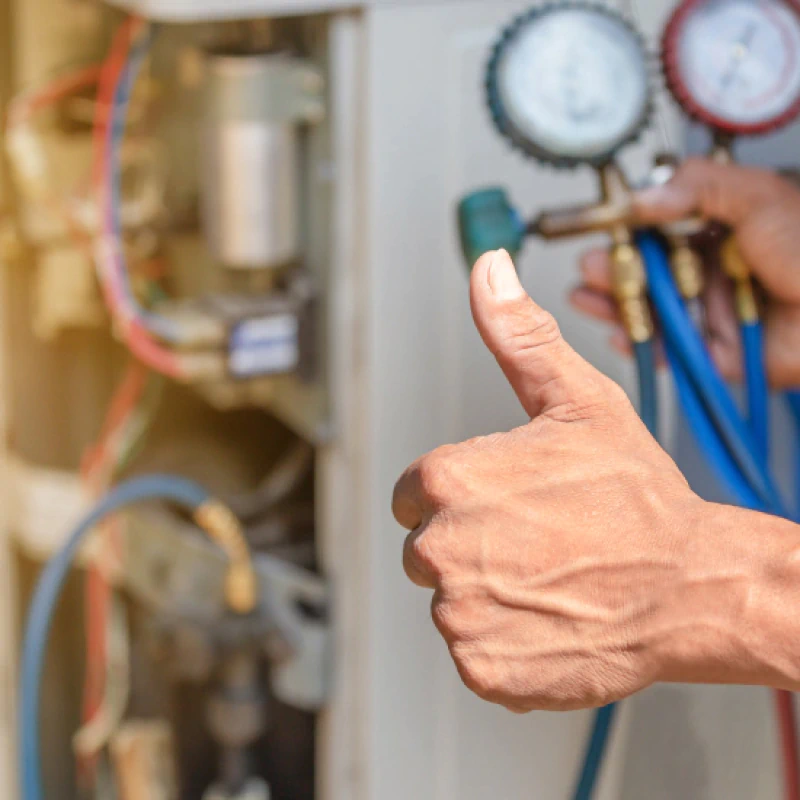
We are Austin Refrigeration & Air Conditioning, serving residential and commercial clients across Austin, TX. Our process for HVAC inspection services focuses on the root cause, not guesswork. First, we listen to symptoms and review system history. Then we run targeted tests on electrical components, airflow, refrigerant levels, and controls, followed by visual checks of coils, drains, and duct connections.
After testing, we explain findings in plain language and provide options you can act on now. If repairs are approved, we complete the work and verify performance before we leave. If equipment is aging out, we outline upgrade paths and timelines that match your goals.
Choose a local team with over 28 years of hands-on experience and organized diagnostics that save time. For dependable results and clear next steps, schedule HVAC inspection services today and keep comfort stable throughout your space in Austin, TX.

Get Answers with Flexible Financing
Move forward with the fix that fits your budget. Ask about financing options available on qualified work, compare solutions, and pick a service time that works for your schedule.
Pinpoint Issues and Prevent Repeat HVAC Problems
Thorough Checks, Clear Reports
A structured diagnostic visit protects comfort and reduces guesswork. We begin with a brief interview about symptoms and recent service, then we measure static pressure and temperature split to establish a baseline. Electrical tests confirm the health of capacitors, contactors, and motors.
Airflow measurements guide adjustments and identify restrictions. Refrigerant readings confirm proper charge, and control checks verify staging and communication. When needed, we perform HVAC leak detection to locate slow refrigerant loss and protect compressors from damage.
This approach helps homeowners and businesses compare options confidently. For facilities evaluating vendors, our documentation makes it easy to work with heating and cooling contractors and plan follow up work without surprises.
If you are preparing for seasonal changeover, a heating and cooling inspection can catch issues before peak demand. For packaged or split systems, an air conditioning inspection confirms condensate management and coil condition, which reduces nuisance trips during summer.
We also assist air conditioning service companies that need additional diagnostic support on complex calls, and we provide an HVAC system check after major repairs to verify that updates operate as intended.
In-Depth Inspections and System Diagnostics for Troubleshooting Performance Issues, Airflow Problems, and Energy Inefficiencies:
- System Assessment: Interview occupants, review history, record baseline readings, and set test points for the visit.
- Electrical and Controls Testing: Inspect wiring, test capacitors and contactors, verify staging and thermostat communication.
- Airflow and Refrigeration Checks: Measure static pressure, confirm duct conditions, check charge, and validate temperature split.
- Findings and Options: Explain results, prioritize fixes, provide pricing, and schedule approved work with a clear timeline.
Our goal is simple, deliver clear diagnostics and durable solutions that stabilize comfort. When the visit ends, you will have a concise report, practical recommendations, and the confidence that the system was tested the right way. For organized HVAC inspection services in Austin, TX, we are ready to help.
HVAC Inspection & Diagnostics FAQs
-
Common warning signs include unexpected system shutdowns, uneven room temperatures, rising energy bills, weak airflow, unusual noises, or inconsistent heating and cooling. These issues can point to hidden problems such as refrigerant leaks, failing capacitors, clogged drains, or airflow restrictions that should be diagnosed before they lead to major repairs.
-
Yes. Austin Refrigeration & Air Conditioning provides HVAC inspection services for both residential and commercial properties throughout Austin, TX. Whether you need a routine heating and cooling inspection, troubleshooting for a packaged system, or diagnostics for a commercial unit, we tailor our process to your system and property needs.
-
Yes. After testing is complete, we explain our findings in clear, easy-to-understand language and provide practical recommendations. You will receive a concise report outlining system performance, identified issues, and repair or upgrade options so you can make informed decisions without guesswork.
-
If repairs are needed, we can complete approved work and verify system performance before leaving. For aging equipment, we outline upgrade options and realistic timelines based on your goals and budget. Financing options may also be available on qualified work to help make necessary repairs or upgrades more manageable.
-
Our HVAC inspection services begin with a discussion about your system’s symptoms, performance concerns, and service history. We then perform targeted testing on electrical components, airflow, refrigerant levels, temperature split, and system controls. Visual inspections of coils, drains, duct connections, and condensate management are also completed to identify hidden issues affecting comfort and efficiency.